
Sac County, Iowa logo

Sac County, Iowa

The Sac County, Iowa, BDO Zone for Corn Stover is rated ‘A’.

Rating Issue Date: November 25, 2024.

‘A’ ratings denote high prospective viability of Feedstock Supply and Infrastructure and low expectations of default risk in the Zone. Capacity to support new biobased plant operations is considered strong.

BDO Zone Rating

A

Sac County, IA, BDO Zone Overview

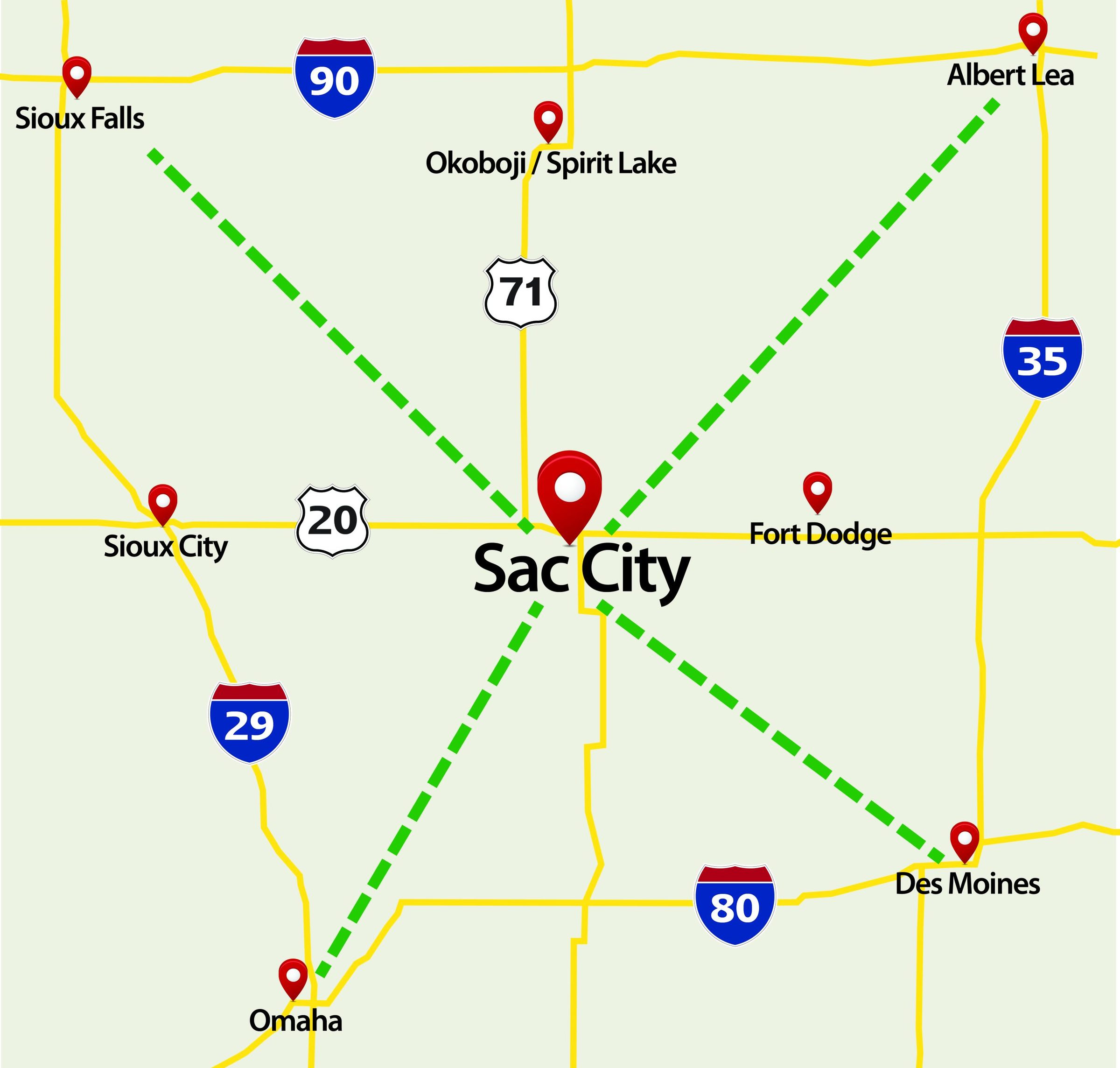
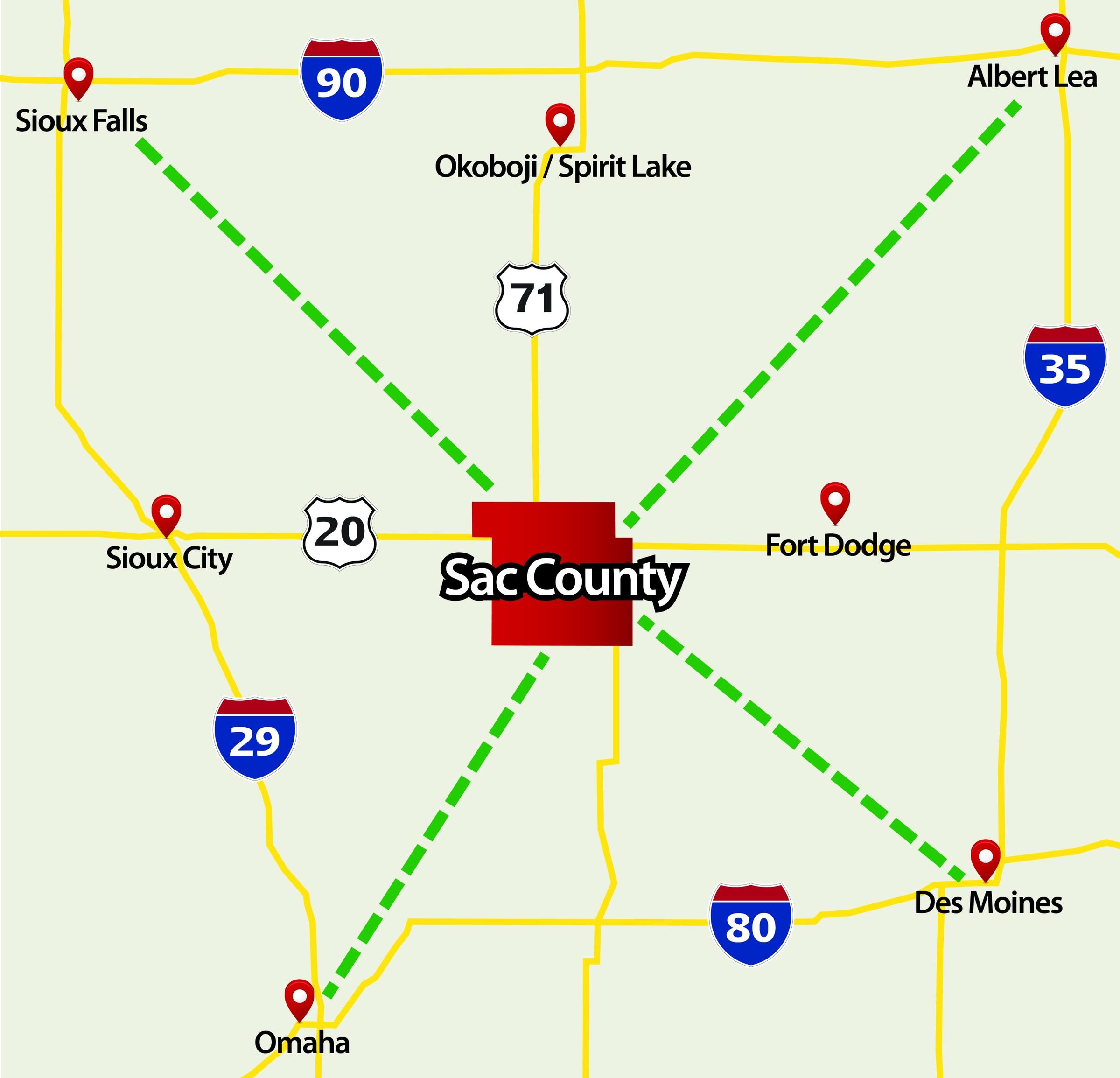
Feedstock quantities are expressed in bone dry tons per year (bdt/yr), while feedstock costs are expressed in USD ($). Maximum transport distance is based on a 75-mile driving distance from the center point (Sac City, IA).

BDO Zone Assets:
  • High corn stover availability due to corn yield over 190 bushels per acre.
  • Competition for corn stover is minimal.
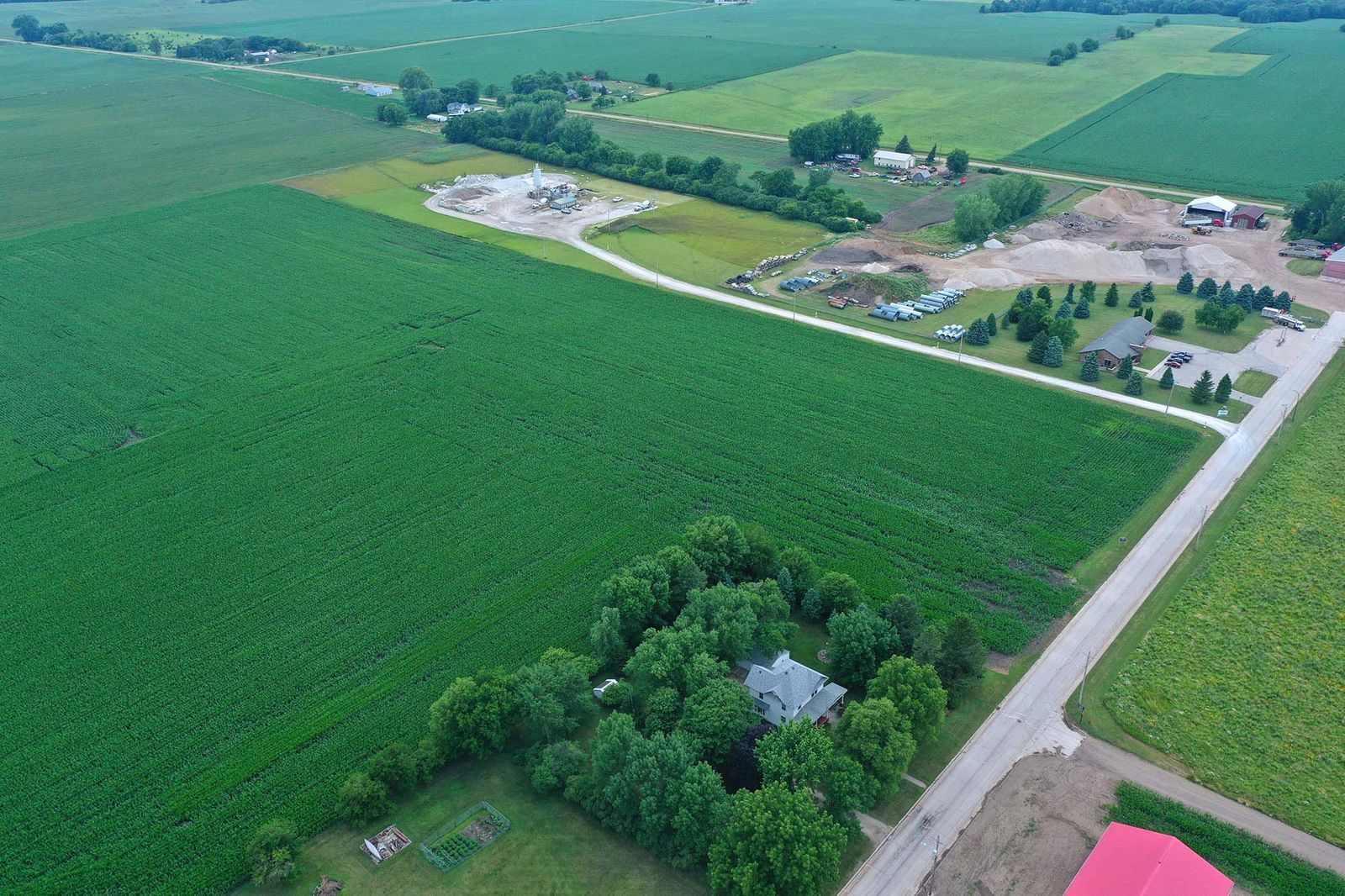
  • Sac County offers a greenfield site in an industrial park with full utility access and close proximity to major highways.
BDO Zone Liabilities:
  • Current corn stover equipment needs upgrades or custom baling operations to meet large-scale project demands.
  • Past failed projects with corn stover can hinder farmer participation and will require proactive engagement.
  • Inclement weather can narrow the time frame for efficient bale production and collection.

Infrastructure

Sac County Industrial Park
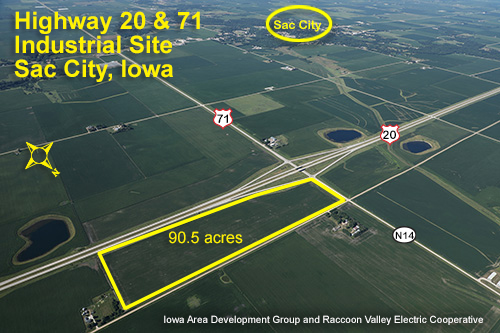
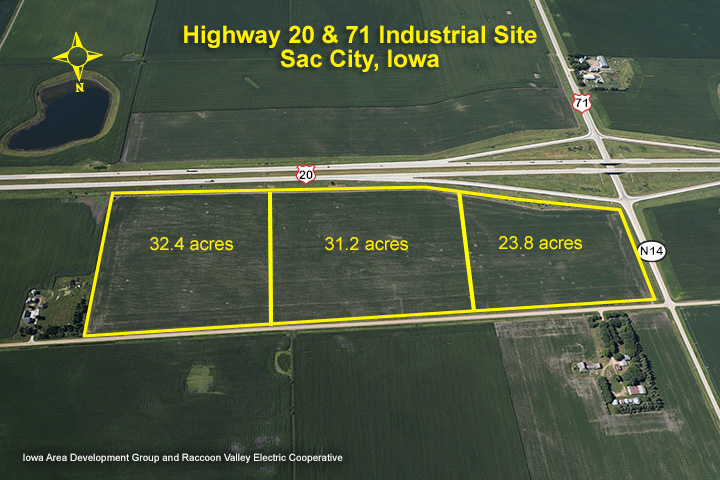
The 90-acre industrial site in Sac City, Iowa, offers an attractive location for new bio-industries, supported by efficient logistics. Convenient highway access enables easy transportation of goods and materials, a critical asset for industries focused on supply chain efficiency. The site is currently served by electrical service with natural gas and water connections within two miles. Sac City’s lower cost of living relative to larger urban areas enhances its appeal to businesses and employees. Affordable housing supports workforce stability, making it easier to attract and retain skilled talent essential for operational success. Overall, this 90-acre site combines well-developed infrastructure, a supportive business climate, and competitive living costs, positioning it as an ideal choice for bio-industries looking to establish or expand operations in Iowa.

Raccoon Valley Land Option
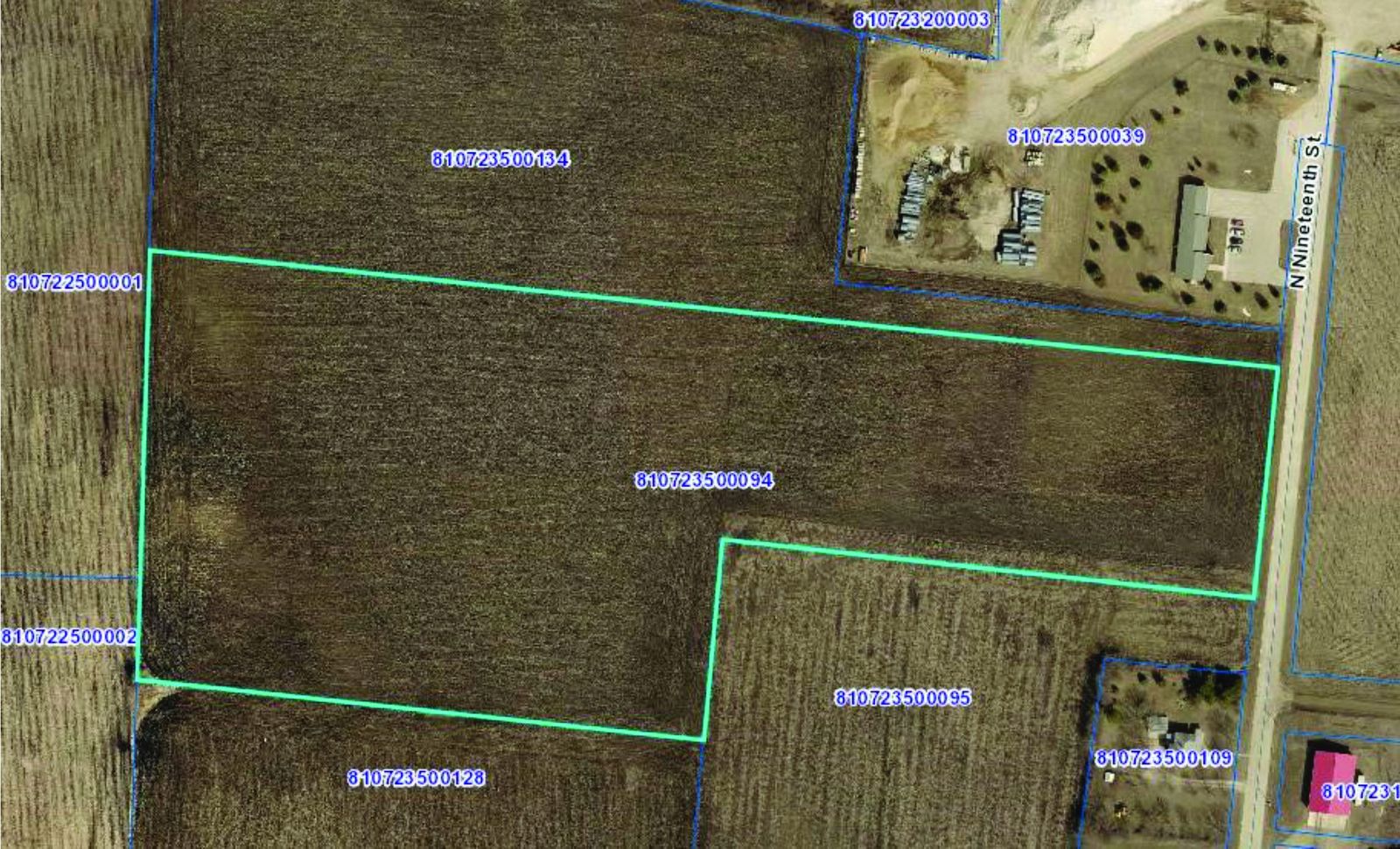
  • Acres: 20
  • Nearest Highway: Highway 20
  • Nearest Interstate: I35 (75 Miles)
  • Nearest Airport: Sac City Municipal Airport (4 Miles)
  • Nearest Commercial Airport: Fort Dodge Regional Airport (49 Miles)
  • All Utilities Extend to Site: Yes
  • Nearest Substation: 6 mi.
  • Served By kV Line: Yes

Sac City Industrial Park

This 18.67-acre property is located in the northwest corner of the city, zoned industrial. It is directly linked to D36 by a 1/3 mile long, 29′ wide, 8 inch thick concrete street. Utilities on site feature a 12 inch water main (70 psi), 2 inch natural gas line (50 psi), 8 inch sanitary sewer line to handle 150 firm gallons per minute. All these utilities are municipally owned. There is 3 phase electricity with 120/208, 120/240, 277/480 volts with additional voltage upon request from MidAmerican Energy. Topographical maps are available upon request. Cost of the site may be part of an incentive package.
Sac County, Iowa: photo 1 of 6
Sac County, Iowa: photo 2 of 6
Sac County, Iowa: photo 3 of 6
Sac County, Iowa: photo 4 of 6
Sac County, Iowa: photo 5 of 6
Sac County, Iowa: photo 6 of 6

Contact Info

Ryan Magwood

Ryan Magwood

Head of Business Development

BDO Zone Initiative

ryan@bdozone.org

647-962-3286

BDO Zone Local Development Leaders

Brandy Wilson

Brandy Wilson

Executive Director

Sac Economic & Tourism Development Ltd. (SETD)

bwilson@saccountyiowa.com

712-661-9713

Local grants and Incentives


Local Incentives:
  • Commercial Tax Abatement
  • Industrial Tax Abatement:
    • Section 427B.3 provides a standard five-year abatement schedule on the amount of actual value added at a new or expanded facility that is eligible for the exemption:
      • Year One: 75%
      • Year Two: 60%
      • Year Three: 45%
      • Year Four: 30%
      • Year Five: 15%
  • Optional Incentive per project approval: Tax Increment Financing
    • Iowa law allows municipalities to establish urban renewal areas to finance public improvements such as streets, sewers, sidewalks, and other infrastructure related to residential, commercial, or industrial development; to redevelop slum or blighted areas; to fund private economic development; and to finance construction of low and moderate income housing. The primary source of funding for urban renewal projects in Iowa is tax increment financing. Tax increment financing is a method whereby a portion of the property taxes levied by all taxing authorities within a tax increment financing district (urban renewal area) are reallocated to the municipality that is undertaking the urban renewal project. Certain property tax levies are exempt from reallocation to the municipality.